Hormones are your body’s chemical messengers.
Produced in the endocrine glands, these powerful chemicals travel around your bloodstream telling tissues and organs what to do. They help control many of your body’s major processes, including metabolism and reproduction.
When you have a hormonal imbalance, you have too much or too little of a certain hormone. Even tiny changes can have serious effects throughout your whole body.
Think of hormones like a cake recipe. Too much or too little of any one ingredient affects the final product.
While some hormone levels fluctuate throughout your lifetime and may just be the result of natural aging, other changes occur when your endocrine glands get the recipe wrong.
Read on to learn more about hormonal imbalances.
Signs or symptoms of a hormonal imbalance
Your hormones play an integral role in your overall health. As a result, there’s a broad range of signs or symptoms that could signal a hormonal imbalance. Your signs or symptoms will depend on which hormones or glands aren’t working properly.
Common hormonal conditions affecting both men and women could cause any of the following signs or symptoms:
weight gain
a hump of fat between the shoulders
unexplained, and sometimes sudden, weight loss
fatigue
muscle weakness
muscle aches, tenderness, and stiffness
pain, stiffness, or swelling in your joints
increased or decreased heart rate
sweating
increased sensitivity to cold or heat
constipation or more frequent bowel movements
frequent urination
increased thirst
increased hunger
decreased sex drive
depression
nervousness, anxiety, or irritability
blurred vision
infertility
thinning hair or fine, brittle hair
dry skin
puffy face
rounded face
purple or pink stretch marks
Keep in mind that these symptoms are nonspecific, and having them doesn’t necessarily mean that you have a hormonal imbalance.
Signs or symptoms in females
In females of reproductive age, the most common hormonal imbalance is polycystic ovary syndrome (PCOS).
Your normal hormonal cycle also changes naturally during these stages:
puberty
pregnancy
breastfeeding
menopause
Symptoms of a hormonal imbalance specific to females include:
heavy or irregular periods, including missed periods, a stopped period, or a frequent period
hirsutism, or excessive hair on the face, chin, or other parts of the body
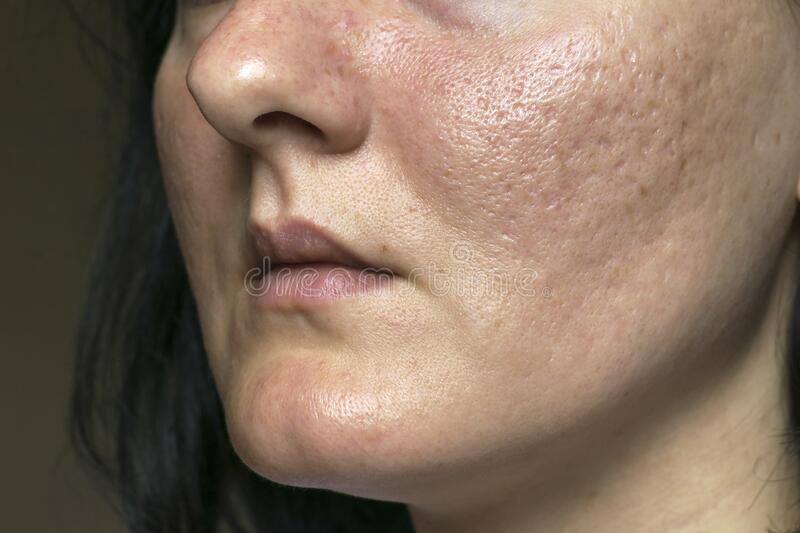
acne on the face, chest, or upper back
hair loss
darkening of the skin, especially along neck creases, in the groin, and underneath the breasts
skin tags
vaginal dryness
vaginal atrophy
pain during sex
night sweats
Signs or symptoms in males
Testosterone plays an important role in male development. If you aren’t producing enough testosterone, it can cause a variety of symptoms.
Symptoms of hormonal imbalance in adult males include:
gynecomastia, or the development of breast tissue
breast tenderness
erectile dysfunction (ED)
decrease in beard growth and body hair growth
loss of muscle mass
loss of bone mass, otherwise known as osteoporosis
difficulty concentrating
hot flashes
Signs or symptoms in children
Boys and girls start producing sex hormones during puberty. Many children with delayed puberty will go on to experience normal puberty, but some have a condition called hypogonadism.
Boys with hypogonadism may experience:
lack of development of muscle mass
a voice that doesn’t deepen
body hair that grows sparsely
impaired penis and testicular growth
excessive growth of the arms and legs in relation to the trunk of the body
gynecomastia
For girls with hypogonadism:
- Cancer has turned my family into beggars
- OVERCOMING INFERTILITY:The journey to motherhood at 60!
- Cancer has turned my family into beggars
- What happens to the human body at ocean depts of TITANIC Wreck?
- THE HEALTH BENEFITS OF CLOVES
menstruation doesn’t begin
breast tissue doesn’t develop
the growth rate doesn’t increase
Causes of a hormonal imbalance
There are many possible causes of a hormonal imbalance. Causes differ depending on which hormones or glands are affected. Common causes of hormonal imbalance include:
hormone therapy
medications
cancer treatments such as chemotherapy
tumors, whether cancerous or benign
pituitary tumors
eating disorders
stress
injury or trauma
While the conditions below may be initially caused by hormonal imbalances, having the conditions can also lead to further hormonal imbalances:
diabetes (type 1 and type 2)
diabetes insipidus
hypothyroidism, or an underactive thyroid
hyperthyroidism, or an overactive thyroid
hyperfunctioning thyroid nodules
thyroiditis
hypogonadism
Cushing syndrome, or high levels of cortisol
congenital adrenal hyperplasia, which causes low levels of cortisol and aldosterone
Addison’s disease
Causes unique to women
Many causes of hormonal imbalance in women are related to reproductive hormones. Common causes include:
menopause
primary ovarian insufficiency, which is also known as premature menopause
pregnancy
breastfeeding
PCOS
hormone drugs such as birth control pills
Tests and diagnosis
There’s no single test available for doctors to diagnose a hormonal imbalance. Begin by making an appointment with your doctor for a physical exam.
Be prepared to describe your symptoms and the timeline along which they’ve occurred. Bring a list of all medications, vitamins, and supplements you’re currently taking.
Your doctor may ask you questions such as:
How often are you experiencing symptoms?
Does anything help relieve your symptoms?
Have you lost or gained weight recently?
Are you more stressed than usual?
When was your last period?
Are you planning to get pregnant?
Do you have trouble getting or maintaining an erection?
Do you have vaginal dryness or pain during sex?
Depending on your symptoms, your doctor may suggest one or more diagnostic tests. You can also request that your doctor perform these tests.
Blood test
Your doctor will send a sample of your blood to a lab for testing. Most hormones can be detected in the blood.
A doctor can request a blood test to check your thyroid and your levels of estrogen, testosterone, and cortisol.
Pelvic exam
If you’re female, your doctor may perform a Pap smear to feel for any unusual lumps, cysts, or tumors.
If you’re male, your doctor may check your scrotum for any lumps or abnormalities.
Ultrasound
An ultrasound machine uses sound waves to look inside your body. Doctors may request an ultrasound to get images of the uterus, ovaries, testicles, thyroid, or pituitary gland.
Additional tests
Sometimes more advanced tests are required. These can include:
biopsy
MRI
X-ray
thyroid scan
sperm count test
At-home tests
If you’re experiencing symptoms of a hormonal imbalance, you may also consider using a home testing kit. They’re available for a variety of conditions.
Home testing kits for menopause measure follicle-stimulating hormone (FSH) in your urine. FSH levels increase when you enter menopause.
Levels also rise and fall during a normal menstrual cycle. Other factors, such as the use of hormonal birth control, can also affect your FSH levels.
As such, these kits can give you an indication of whether menopause has started, but they can’t tell you conclusively. Your healthcare provider’s confirmation may be necessary.
Home testing kits typically use saliva or blood from the fingertip to measure your levels of cortisol, key thyroid hormones, and sex hormones such as progesterone and testosterone. Some tests may require a urine sample.
These kits require you to send the sample off to a lab. Your test results are usually available online within 5 to 9 business days.
The company LetsGetChecked provides at-home tests that have been approved by the Food and Drug Administration (FDA). However, many at-home tests haven’t received FDA approval.
Regardless of which at-home test you choose, it’s important to discuss your test results with your healthcare provider and let them know if you’re concerned about certain symptoms or a possible diagnosis.

 𝗧𝗛𝗘 𝗝&𝗠 𝗛𝗘𝗔𝗟H𝗧𝗛𝗖𝗔𝗥𝗘 𝗖𝗟𝗜𝗡𝗜𝗖𝗦