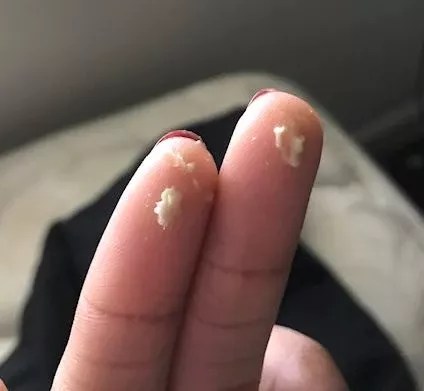
Yeast infections, also known as Candidiasis, are fungal infections that commonly affect the genital area in women, but they can also occur in other parts of the body. Treatment for yeast infections typically involves antifungal medications, and there are several options available.
1.Over-the-counter (OTC) medications:
Antifungal creams, ointments, or suppositories can be purchased without a prescription. Common active ingredients include clotrimazole, miconazole, and tioconazole. These medications are usually applied directly to the affected area for a specified period, typically from 1 to 7 days, depending on the product. It’s important to follow the instructions provided with the medication.
2.Prescription medications:
If the yeast infection is severe, recurring, or doesn’t respond to over-the-counter treatments, a doctor may prescribe stronger antifungal medications in the form of creams, ointments, tablets, or suppositories. Common prescription options include fluconazole, itraconazole, or voriconazole. Follow your healthcare provider’s instructions carefully and complete the full course of treatment.
3.Home remedies:
Some people try natural or home remedies to alleviate symptoms or speed up the healing process. While these remedies may provide temporary relief, they may not be as effective as medical treatments. Common home remedies include applying yogurt or tea tree oil to the affected area or taking probiotics to restore the natural balance of bacteria in the body. However, it’s important to consult with a healthcare professional before attempting any home remedies.
It’s important to note that if you’re experiencing symptoms of a yeast infection for the first time or if you’re unsure about your symptoms, it’s recommended to consult a healthcare provider for an accurate diagnosis and appropriate treatment plan. They can evaluate your condition and recommend the most suitable treatment option based on your specific situation.

 𝗧𝗛𝗘 𝗝&𝗠 𝗛𝗘𝗔𝗟H𝗧𝗛𝗖𝗔𝗥𝗘 𝗖𝗟𝗜𝗡𝗜𝗖𝗦