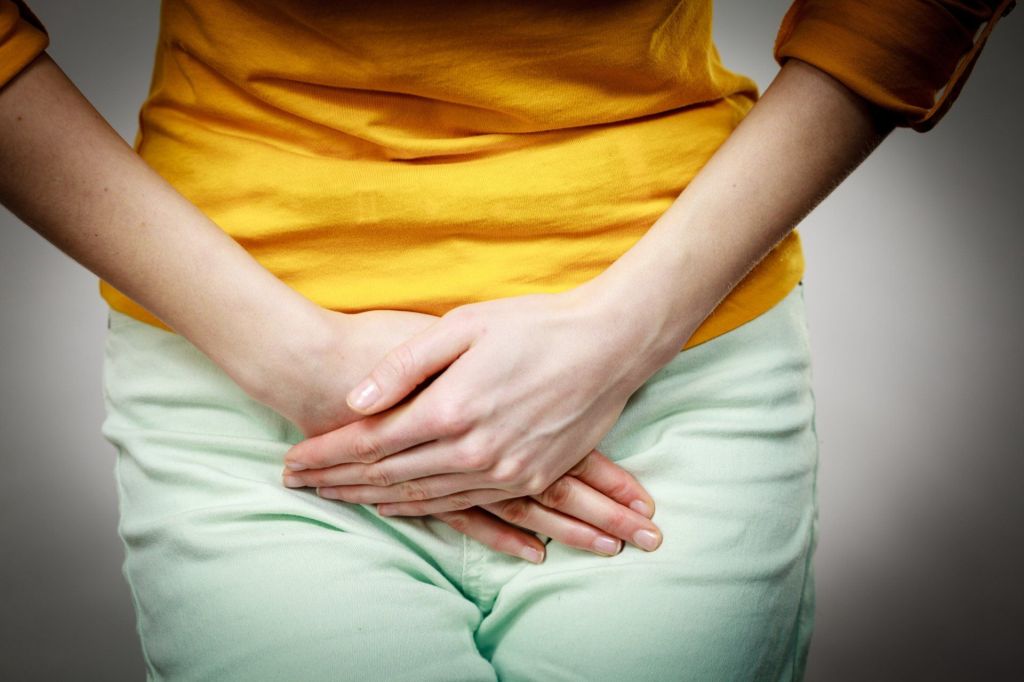
Managing urinary tract infections (UTIs) typically involves a combination of self-care measures and medical treatment. Here are some steps you can take to manage UTIs:
1.Drink plenty of water:
Increasing your fluid intake helps flush out bacteria from your urinary tract and may help alleviate symptoms. Aim to drink at least 8 glasses of water a day.
2.Take over-the-counter pain relievers: Nonprescription pain relievers such as ibuprofen can help alleviate pain and discomfort associated with UTIs. Follow the recommended dosage instructions and consult with a healthcare professional if you have any concerns.
3.Use a heating pad: Applying a heating pad to your lower abdomen can provide relief from pain and help relax your muscles. Be sure to use a low or moderate setting and place a cloth between the heating pad and your skin to prevent burns.
4.Avoid irritants: Certain substances can irritate your urinary tract and exacerbate UTI symptoms. Avoid alcohol, caffeine, spicy foods, citrus fruits, and carbonated beverages until your infection clears up.
5.Empty your bladder frequently: Urinating frequently helps flush out bacteria from your urinary tract. Don’t hold in your urine for long periods, and make sure to completely empty your bladder each time you urinate.
6.Practice good hygiene: Keep your genital area clean and dry. Wipe from front to back after using the toilet to prevent bacteria from spreading to the urethra. Avoid using harsh soaps or douches in the genital area, as they can disrupt the natural balance of bacteria.
7.Urinate before and after sexual activity: Emptying your bladder before and after sexual activity helps flush out any bacteria that may have entered the urethra during intercourse.
Consult a healthcare professional: If your symptoms persist or worsen, it’s important to seek medical attention. A healthcare professional can diagnose your UTI, prescribe appropriate antibiotics if necessary, and provide further guidance on managing your infection.
Note: The above steps are general recommendations for managing UTIs, but it’s important to consult with a healthcare professional for an accurate diagnosis and personalized treatment plan.


 𝗧𝗛𝗘 𝗝&𝗠 𝗛𝗘𝗔𝗟H𝗧𝗛𝗖𝗔𝗥𝗘 𝗖𝗟𝗜𝗡𝗜𝗖𝗦