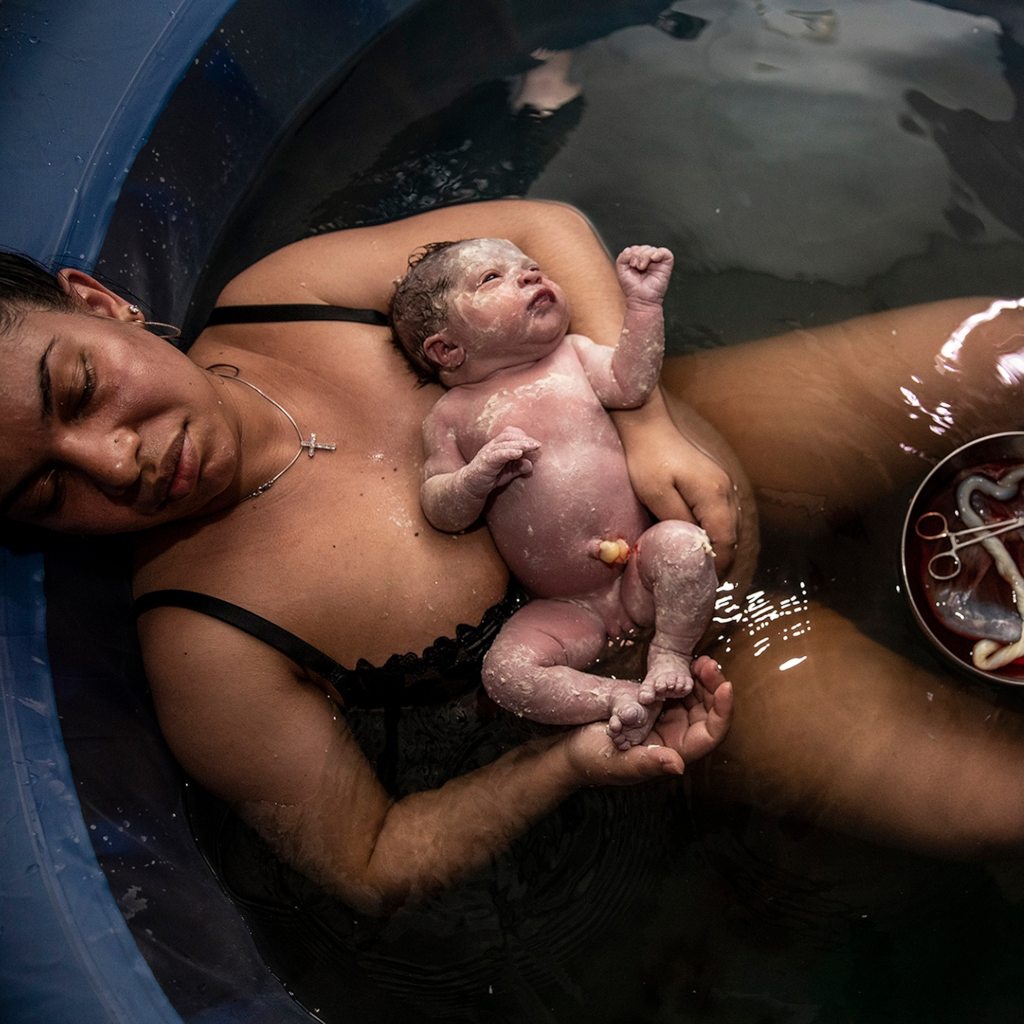
The choice between a normal vaginal delivery (also known as a vaginal birth) and a cesarean section (C-section) depends on various factors and should be determined by medical professionals on a case-by-case basis. Both methods have their own advantages and potential risks, and the decision is typically based on the health and well-being of the mother and baby.
Normal Delivery (Vaginal Birth):
Advantages: Vaginal delivery is considered the natural way of giving birth and is generally associated with a shorter recovery time for the mother compared to a C-section. It promotes early bonding between the mother and baby and has potential benefits for the baby’s respiratory system, immune system, and gut health.
Considerations: Vaginal birth is generally recommended when there are no significant complications or risks involved. However, it may not be suitable or safe in certain situations, such as when the baby is in a breech position (feet-first) or if there are concerns about the baby’s or mother’s health.
Cesarean Section (C-Section):
Advantages: A C-section may be necessary or preferred in certain circumstances, such as when there are concerns about the safety or well-being of the mother or baby. It allows for a controlled and planned delivery, which can be beneficial in cases of high-risk pregnancies, fetal distress, multiple pregnancies, or certain maternal medical conditions.
Considerations: C-sections are major surgical procedures and involve certain risks, such as infection, bleeding, blood clots, and a longer recovery period compared to vaginal birth. The decision to perform a C-section should be made based on medical necessity rather than personal preference.
Ultimately, the best method of delivery depends on the specific circumstances of each pregnancy and the recommendations of medical professionals involved in the care. It is essential to discuss the options, risks, and benefits with your healthcare provider to make an informed decision that prioritizes the health and safety of both the mother and the baby.
The decision between a normal vaginal delivery and a cesarean section should be based on the specific circumstances of each pregnancy and the guidance of medical professionals. It’s important to consult with your healthcare provider to discuss the best option for you based on factors such as your overall health, any pre-existing medical conditions, the position of the baby, and any potential risks or complications.
While vaginal delivery is considered the natural and preferred method in most cases, there are situations where a cesarean section may be necessary or recommended. These can include cases of breech presentation, placenta previa, certain medical conditions of the mother or baby, labor complications, or fetal distress. In such instances, a C-section can help ensure the safety and well-being of both the mother and the baby.
Ultimately, the decision should be made collaboratively between the healthcare provider and the mother, taking into account all relevant factors and considering the best outcome for both the mother and the baby. It’s crucial to have open and honest discussions with your healthcare provider to make an informed decision that meets your individual needs.

 𝗧𝗛𝗘 𝗝&𝗠 𝗛𝗘𝗔𝗟H𝗧𝗛𝗖𝗔𝗥𝗘 𝗖𝗟𝗜𝗡𝗜𝗖𝗦