
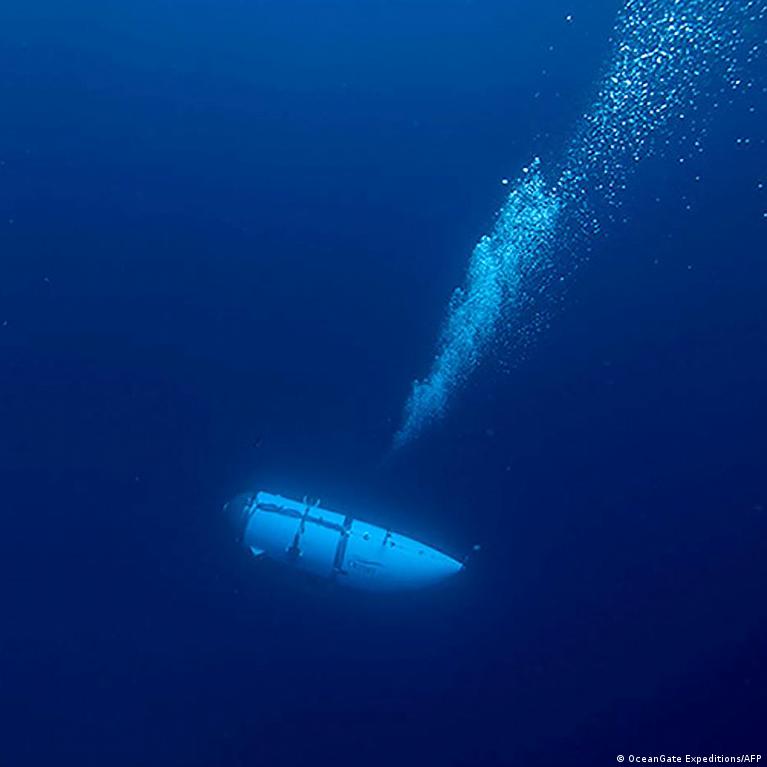
If you were to travel to the site of the Titanic wreck, which lies at a depth of approximately 12,500 feet (3,800 meters) in the North Atlantic Ocean, you would face several physiological challenges and potential risks. Here are some effects on the human body that could occur:
1.Increased water pressure:
The water pressure at that depth is about 400 times greater than at sea level. This immense pressure can compress the air-filled spaces in your body, such as your lungs and sinuses. Without proper protection or a specialized diving suit, the pressure could lead to severe injury or even death.
2.Hypothermia:
The water temperature in the vicinity of the Titanic wreck hovers around freezing point, at around 32°F (0°C). Exposure to such cold temperatures for an extended period would rapidly lower your body temperature, leading to hypothermia. This condition can be life-threatening.
3.Oxygen toxicity:
If you were using scuba equipment to descend to that depth, you would likely be breathing a gas mixture other than air, such as trimix or heliox, to reduce the risk of nitrogen narcosis. However, at increased pressures, there is a risk of oxygen toxicity, which can cause seizures, convulsions, and other dangerous symptoms.
4.Limited visibility:
The wreckage site is dark, with minimal natural light reaching that depth. Without specialized underwater lighting, it would be challenging to see anything clearly, hindering navigation and potentially leading to accidents.
5.Decompression sickness:
As you ascend back to the surface after spending time at extreme depths, it is crucial to undergo a carefully controlled decompression process. Rapid ascent without proper decompression stops could cause nitrogen bubbles to form in your bloodstream and tissues, leading to decompression sickness, commonly known as “the bends.” This condition can result in severe pain, joint problems, and potentially life-threatening complications.
Given the extreme conditions and risks involved, it is not advisable for individuals without specialized training, equipment, and support to attempt to reach the Titanic wreck site. It is a challenging and potentially dangerous undertaking that requires expertise in deep-sea diving and careful planning to ensure the safety of the divers involved.

 𝗧𝗛𝗘 𝗝&𝗠 𝗛𝗘𝗔𝗟H𝗧𝗛𝗖𝗔𝗥𝗘 𝗖𝗟𝗜𝗡𝗜𝗖𝗦